
Copyright © 2026 VPM, all rights reserved.
PBS is a 501(c)(3) not-for-profit organization.
VPM News Morning Edition
NEXT UP: 9:00 AM

Thanks to our sponsors – Become a Sponsor

Why you’ll probably be misdiagnosed in your lifetime

A light-skinned medical professional positions behind a table holds a tablet in one hand and a pen to a blurred medical chart in the other. They're wearing blur scrubs with a white medical coat and a stethoscope around their neck. The photo cuts off above the neck.
Nansan Houn / Getty Images
Nearly every person will experience at least one medical diagnosis error in their lifetime.

Nearly every person will experience at least one diagnostic error in their lifetime. That means either a delayed diagnosis, a wrong diagnosis – or no diagnosis at all. That’s according to a report by the National Academies of Sciences, Engineering and Medicine from 2015 on diagnostic error. Today on the show we talk to a physician who was personally affected by the crisis, and New York Times editor and author of the book The Elusive Body: Patients, Doctors and the Diagnosis Crisis.

If you liked this episode, check out these other episodes:

Interested in more medical science? Email us your question at [email protected].

Support public media with NPR+ and enjoy perks for over 25 podcasts like this one. This show’s perks include sponsor-free listening. Learn more at plus.npr.org

Listen to Short Wave on Spotify and Apple Podcasts.

This episode was produced by Rachel Carlson and Berly McCoy. It was edited by Rebecca Ramirez. Tyler Jones checked the facts. The audio engineer was Jimmy Keeley.
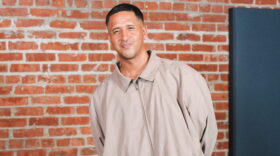
Rachel Carlson (she/her) is a production assistant at Short Wave, NPR's science podcast. She gets to do a bit of everything: researching, sourcing, writing, fact-checking and cutting episodes.

Carlson has also worked as a live event producer, production assistant and web producer at shows like Truth Be Told with Tonya Mosley, WBUR's Endless Thread and The Mortified Podcast.

As a double major in Cognitive Neuroscience and English at Brown University, she studied the intersections between storytelling and the human brain. She's fascinated by all the ways stories shape our minds and inner lives, and how these inner lives shape the stories we tell.

When she takes off her headphones, you can find her rock climbing, reading and hiking. She also harbors a love for reality TV and some of the worst best horror and science fiction films ever made.

Related Stories