

When teaching a class on vegetable gardening, it’s not unusual to be asked which growing method I prefer: raised beds, containers or in the ground? I rarely answer the question directly because we each have varying amounts of time, space and resources, and only we can determine which method is best. While growing food or flowers directly in the ground is the easiest to start up, it is typically the most time consuming. The raised bed method has been used for centuries, but it soared in popularity in the 1970’s. In the 1990’s, container gardening emerged as smaller varieties of vegetables and flowers became available in garden centers. Each of these methods has pros and cons and can be used to grow food and flowers in different situations with varying space, time and financial resources.
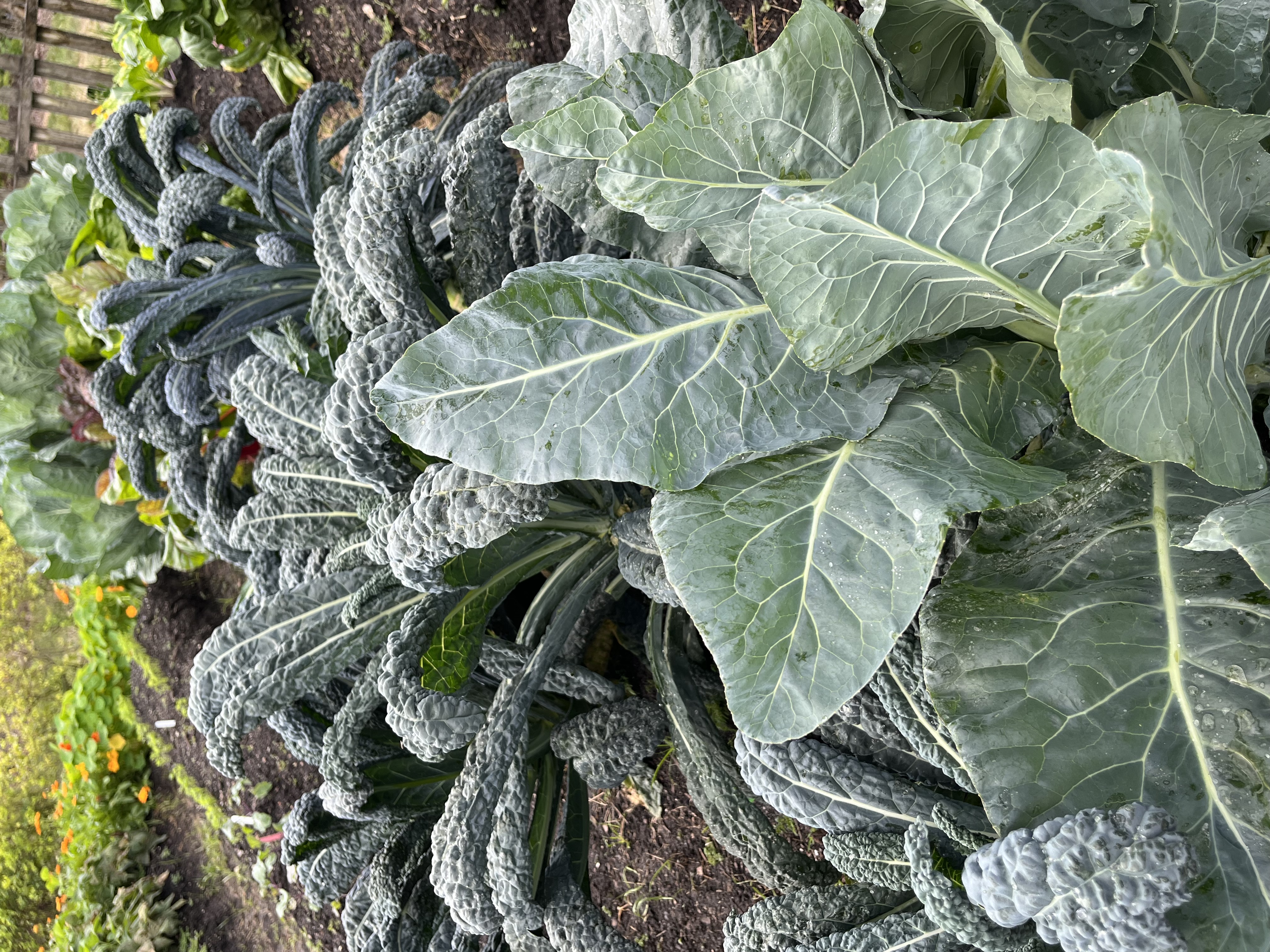
While I have fond memories of running through the rows and eating fresh green beans in my father’s vegetable garden, I also remember endlessly pulling weeds. Compared to raised beds and container growing, in-ground gardens can be larger and more time-consuming. Still, the larger space makes layout of the garden easy to rearrange from year to year, so crops can be rotated to reduce pests and disease. In-ground growing builds soil life when organic amendments are added so the microbes can thrive. Healthy soil increases the crop yield since it is higher in nutrients and has a greater soil moisture holding capacity. If an irrigation system is needed, it can be easily set up in the open garden space and then taken down when no longer necessary.
When a site is not flat, the garden rows must cross the hill to prevent water from running off the slope and eroding the soil. In the past 10-15 years, awareness of soil health has risen as gardeners turn toward sustainable gardening practices. Where the tiller was once the primary tool for prepping the soil and suppressing weeds, regenerative agriculture practices have shifted to the no-till method. Gardens continually tilled perpetually bring to light latent weed seeds, creating more weeds. Plus, the rotating blades create a layer of dense soil at the base of their reach. This compacted layer confines the growing zone to the depth of the tiller blades; it slows water and air movement through the soil profile and impedes roots from growing deep.
With a large garden, applying mulch will save time by suppressing weeds and disease, buffer the soil temperature and retain soil moisture. Mulch and other inputs, such as organic-based fertilizers, pest control measures and compost, can cost more compared to gardening in raised beds and containers. Still, the choice not to invest in the garden leads to weaker plants, poor yields and in dense soil, difficulty with growing root crops. While a large garden has its advantages, there are disadvantages to consider.
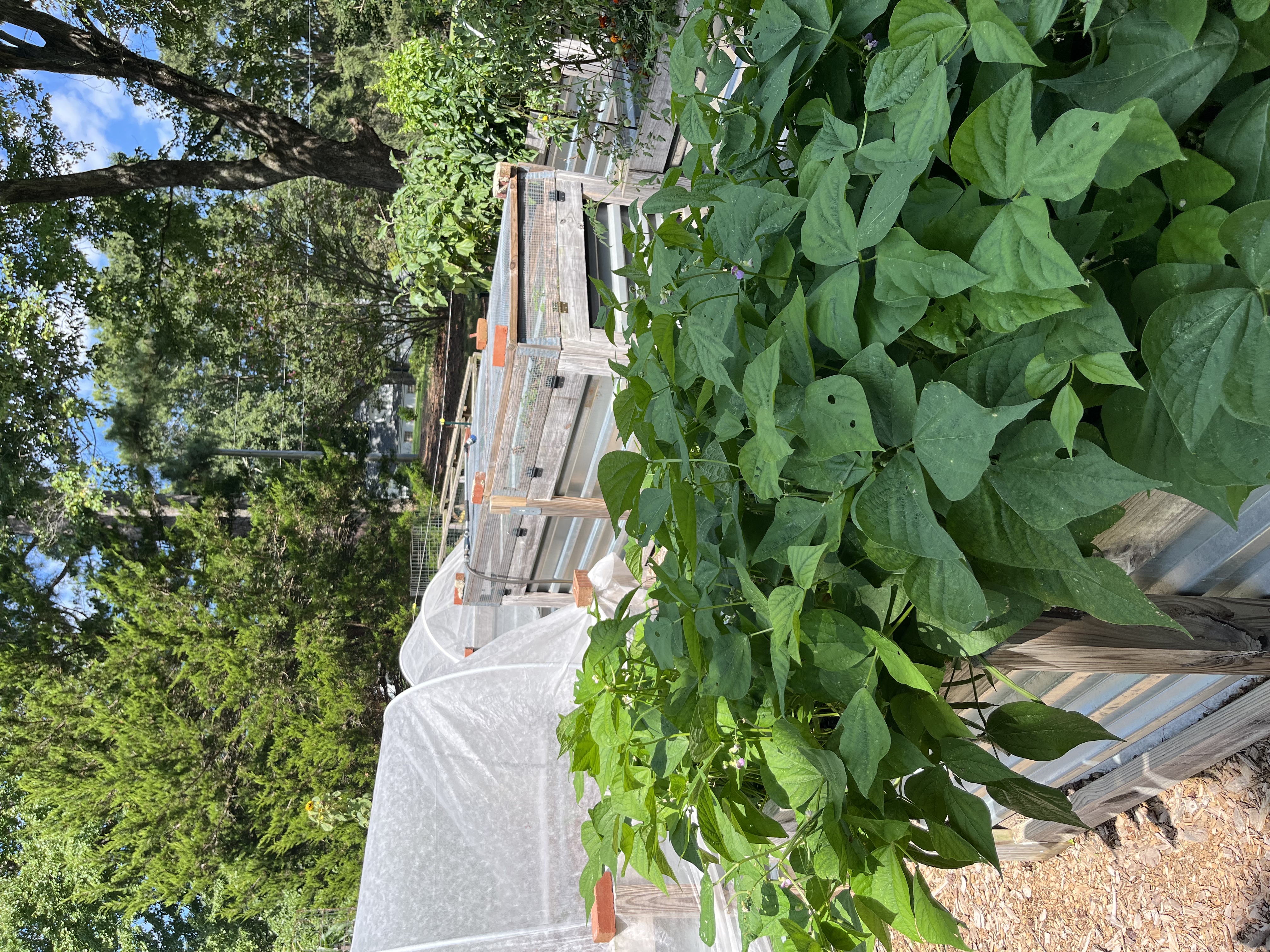
Raised beds became popular as a means to produce more, earlier in the season and in less space. Raised garden beds drain better and once established, are easier to tend, usually resulting in higher yields. This is a great method for smaller-scale gardeners. The smaller size makes amending the soil manageable, weed control and planting easier and watering faster.
With a concentrated growing zone, there is less wasted space. Overall, well-established raised beds can be more economical because they require smaller quantities of plants and inputs such as compost, organic fertilizers and mulch. With the lack of foot traffic in the growing zone, soil is protected from compaction in beds that are 4’ wide or narrower. Root crops grow well in raised beds, while height can be achieved with vertical growing practices. Gardening in higher constructed raised beds provides opportunities to gardeners with limited abilities, too.
While all of this sounds wonderful, these beds have a higher start-up cost since they must be constructed or purchased and assembled. Plus, soil must be brought in to initially fill each raised bed and then added annually to offset any settling. If the bed is raised above the ground, establishing a robust soil biome takes more organic inputs and time due to the lack of contact with the ground. In all raised beds, applying mulch is necessary since the beds dry out so quickly. Limited growing space determines the type of plants grown, too. Large vining plants can be challenging, along with growing corn. For the best harvest, corn should be planted densely for maximum cross-pollination. With limited space, this may not happen.
For gardeners with even less space, containers are the answer. Containers are easy to work with and can be placed just about anywhere. With potting soil lighter than garden soil, containers can be moved if the sun shifts during the growing season or if you want to temporarily screen a view. For maximum water absorption, it is important to fill the container with soil from the bottom up. Before doing so, I place a small section of wide mesh screening over the drainage hole to keep critters out and the soil in. Often free of weed seeds, potting soil is well aerated and provides good drainage, leading to better root growth, which means a healthier plant.
Unfortunately, potting soil does not support soil microbes, and unless stated on the package contains few, if any, nutrients. This means they must be fertilized regularly by following the directions on the product label. While larger containers require a higher initial investment, they hold more soil and don’t need to be watered as often. That is, unless placed on asphalt or other heat-reflecting hard surfaces. I mulch on my container plantings and place trays under each one. Not wanting to create a mosquito breeding ground, I empty the stagnant water once a day. Before I travel, I gather all my containers in the shade to reduce heat and moisture stress. I water them thoroughly and ask a neighbor to check on them. When I return home, I place them back where they were.
As you can see, each of these growing systems has its pros and cons, and it’s best to think about which will work best for you.
Happy Gardening!
Peggy


