

I have a serious bunny problem; their nests triangulate around the house. This leaves me with the feeling of being surrounded by rabbits, and they are multiplying! I am quietly keeping track of which plants they just nibble on and which they devour. Some days, I feel like I should ring a dinner bell to signal the wildlife that I am going in for the night and the smorgasbord is ready. In the morning, I take stock of what was nibbled on during the night. The other morning, my French marigolds were reduced to stems and the neighboring oregano was fine. Other herbs rabbits don’t bother are thyme, parsley, rosemary, mints, anise hyssop, lemon balm, lavender, bee balm, germander, fennel, all of the sages, plus garlic chives and other Allium sp. Just like deer, the bitter taste, oils or fragrance of these plants deter the rabbits.
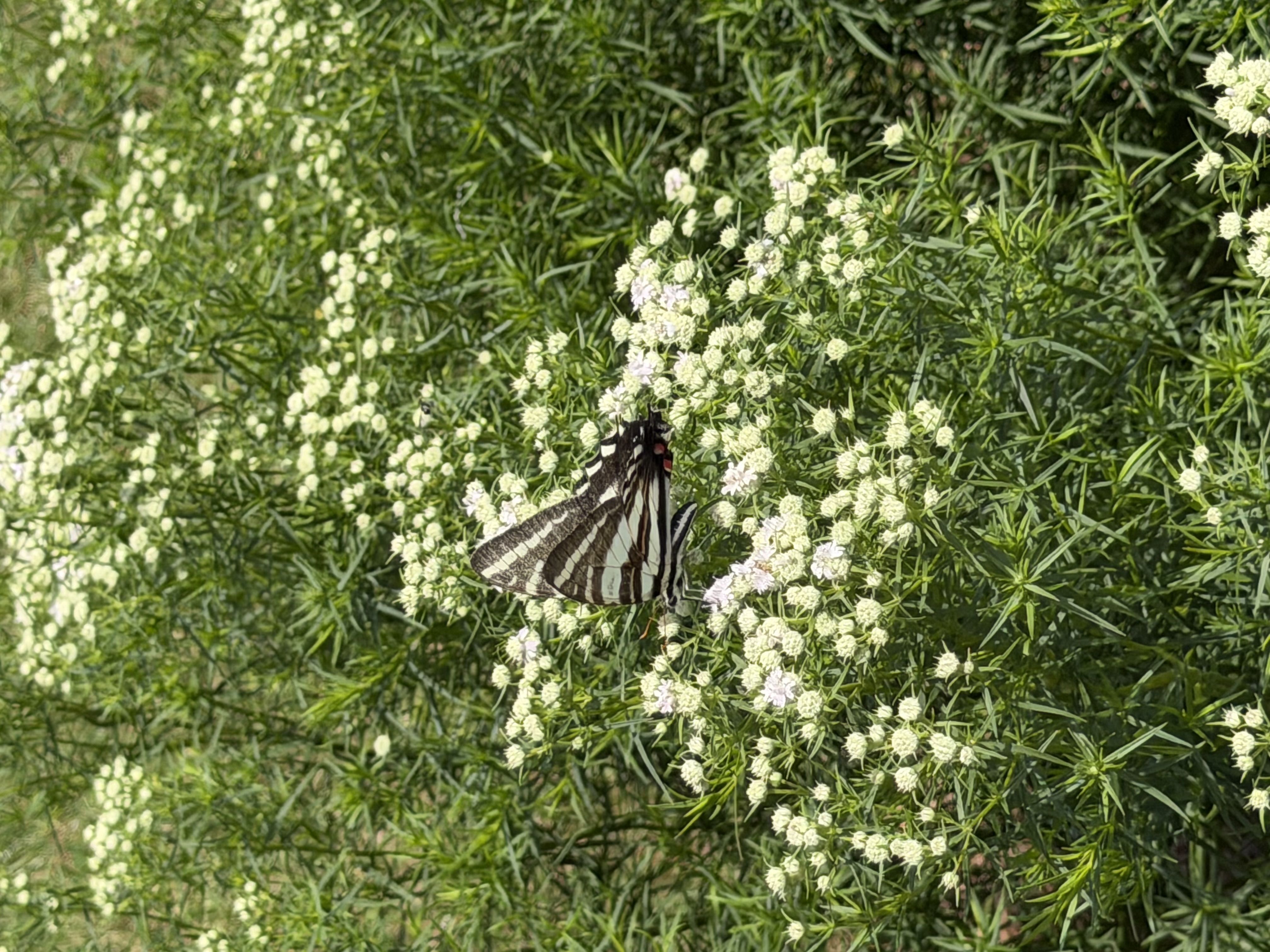
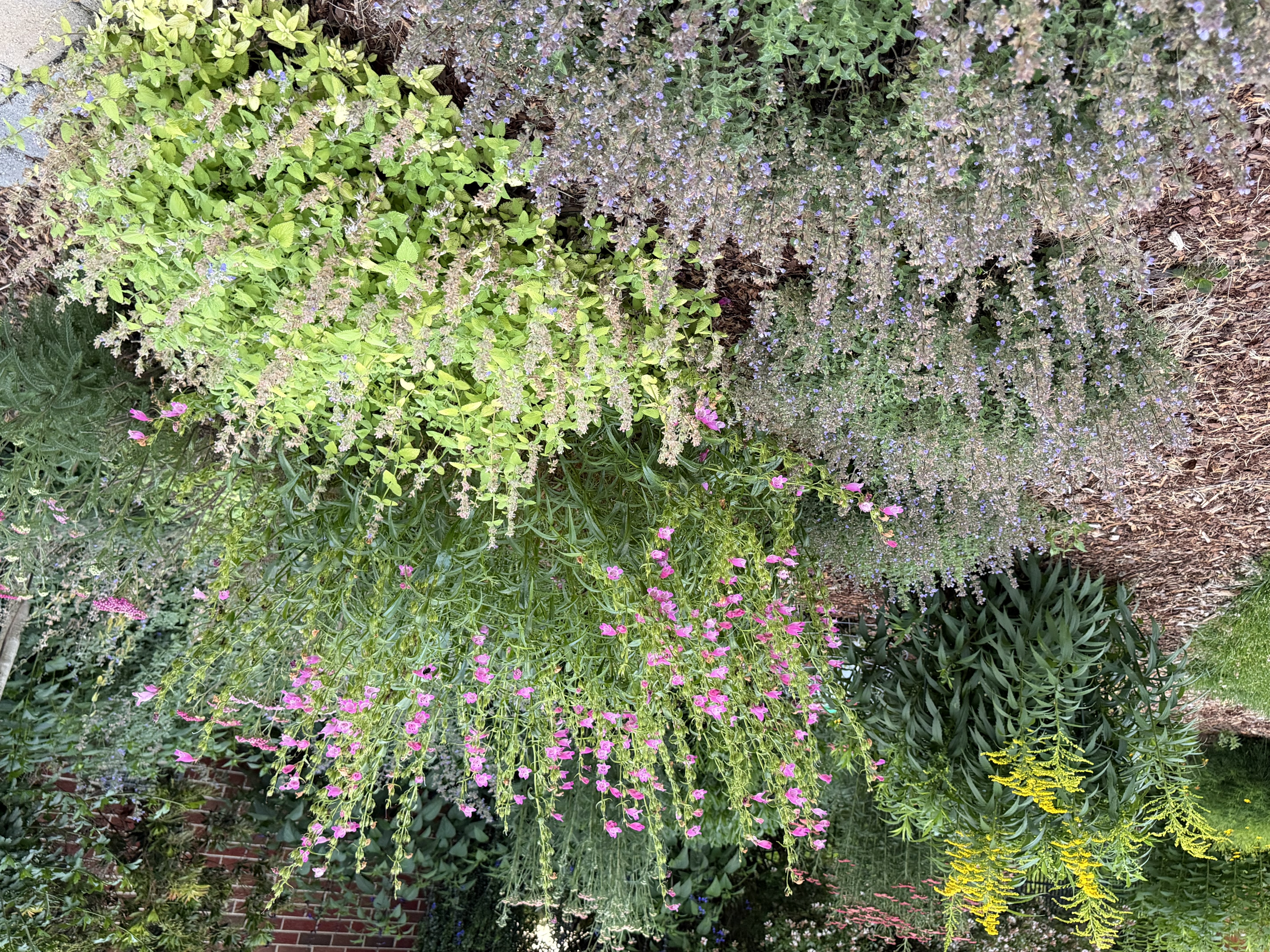
Gardening with deer has steered me toward growing plants that have textured leaves. My plants have leaves that have a sandpapery feel, or are spiny, hairy, fuzzy or even leathery in consistency. The rabbits don’t care for these textures either and avoid yarrow, lambs’ ear, catmint, mullein, rose campion, Russian sage, sundrops, sedges or the shrub Distylium spp.
Some plants are toxic to wildlife, and those with a milky sap top the list. Both milkweeds, (Asclepias spp.) and blue star flowers (Amsonia spp.) are in the Dogbane Family (Apocynaceae), and their latex sap contains cardenolides. This substance is toxic to rabbits, deer, dogs and other vertebrates. Other common garden plants toxic to rabbits are boxwood, Hydrangea, foxglove, Iris, Helleborus, daffodils, hyacinth, Lantana, azaleas and Rhododendron. Many berries are also toxic, like those of yew, holly, Virginia creeper or English and Boston ivy.
Some plants are considered “rabbit resistant,” and the word resistant should give a gardener pause. This means it’s on their menu, but not always the daily special. Diervilla or bush honeysuckle, most asters, Zinnia, tickseed (Coreopsis), peony, Shasta daisy, false indigo (Baptisia), some goldenrods, coral bells (Heuchera) and beardtongue (Penstemon) are growing in my gardens and being left alone.
How do I know what the rabbits are eating versus the deer or fawns? It’s simple, rabbits gnaw at the stem with their heads tilted, creating a clean, angled cut. They work at the base of stems like a lumberjack and are ready to feast once it falls. Unlike rabbits, a fawn has no upper teeth so they rip at a plant, leaving a mashed end or stringy mess. An adult deer has a full set of uppers and lowers to eat with. Their bite leaves a flat wound almost square to the stem. In June, both fawns and bunnies are nibbling at plants to learn their plant preferences. Take it in stride because this phase typically passes quickly with minimum damage.
Like all gardeners, I have a few plants that are too special to offer up as culinary options to wildlife. For my peace of mind, I apply repellents following the instructions on the product’s label. Unfortunately, very hungry wildlife will devour almost any plant to survive. To prevent this, I place fencing around small trees and shrubs until they reach the size where a bit of nibbling won’t affect their growth or appearance. Keep in mind, if the head of a rabbit fits into an opening, the body will follow.
As I watch more little bunnies hop out from under the raspberries, I am thankful for the deer pressure I have gardened with over the decades. I appreciate many of the plant choices I have made because rabbits avoid most of the same. I am also thankful for the number of large containers filled with colorful annuals and perennials the rabbits would devour if they grew closer to the ground and I feel victorious!
Happy Gardening!
Peggy
Dealing with Deer, too? Check out my article on Gardening With Deer,


