

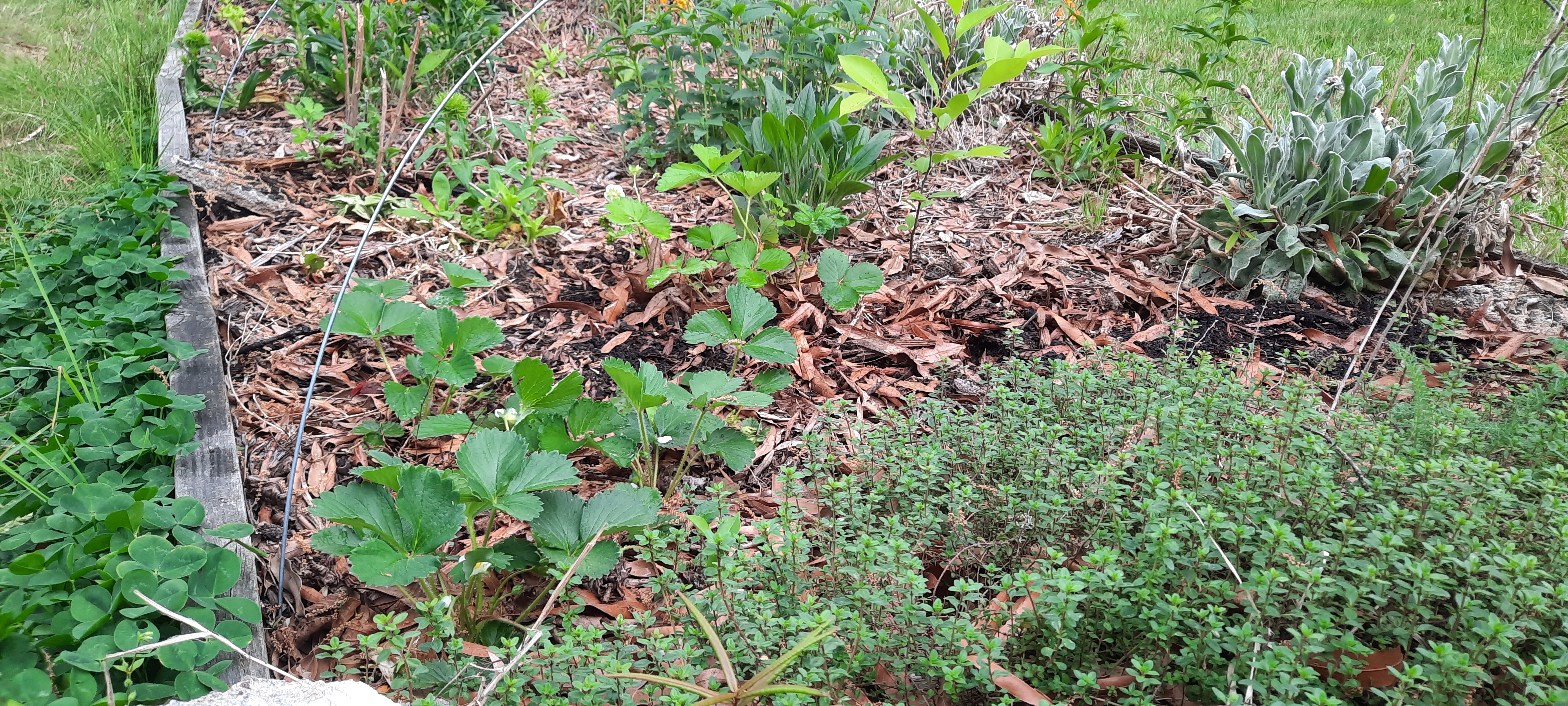
Over twenty years ago, I walked into my backyard and was greeted with an open canvas in which I excitedly installed an edible landscape. I added self-pollinating fruit trees such as cherry, peach, plum, persimmon and fig to create shaded locations along with delicious fruit at various times throughout the year. Blueberry bushes were planted with strawberry and thyme plants as ground cover. I found that making those simple edible substitutions was very rewarding over the years, providing an abundance of fruits and vegetables to be shared with neighbors rather than planting only evergreen trees or bushes.
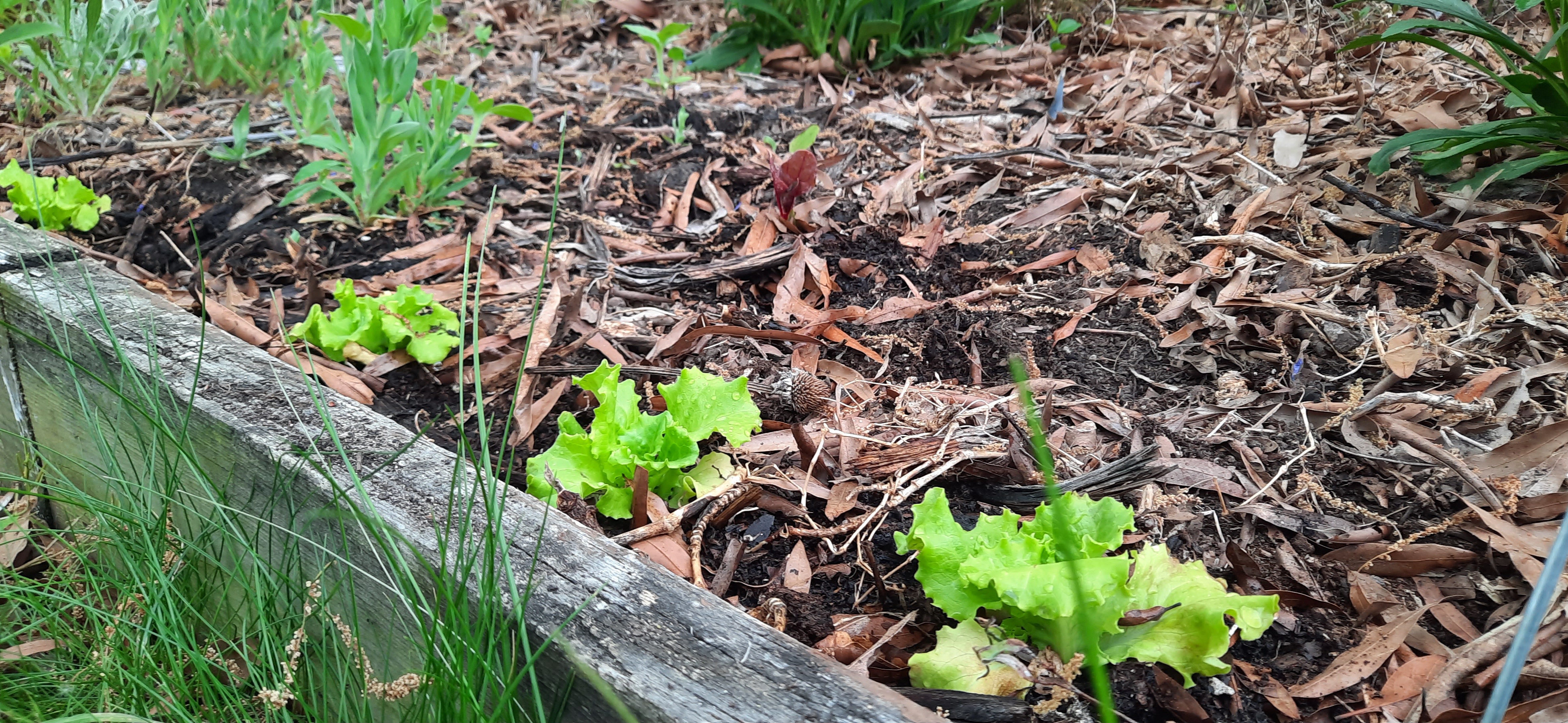
A few seasons ago, I started wanting more from my flower beds in the front and alongside my home, hoping to make better use of the empty spaces as my perennials get established and die back. Also, I noticed more bees, butterflies and birds visiting my flowering brassicas plants in my garden beds. Therefore, I decided to allow the cherry fruit trees to continue growing and plant vegetables within my flower beds. This will not only increase my access to more fresh produce and save money, but also limit the need to create additional garden beds and provide more biodiversity in my flower beds by including a wider variety of plants.
However, there are a number of factors to consider when adding edible plants to your flower beds:
- Planting locations need to be free of harmful chemicals, even overspraying from neighbor’s yards.
- Plant in areas that get at least 5-6 hours of sunlight to promote plant growth and are easily accessible for daily or biweekly harvesting and maintenance.
- For aesthetic beauty, consider plant height and overcrowding, especially as you allow the plant to continue to flower throughout the season.
- Select disease-resistant vegetable plant varieties for your area. Preferably low-maintenance plants, which if left unattended, will continue to bring interest and beauty into the space.
- Remove seed pods before self-seeding, leading to over-production of vegetable plants to flowers.
- Edible plants regularly require maintenance from harvesting to pest control, so consider starting small.
There are a few design and edible landscaping options to consider. Use existing structures such as fence borders to grow blackberry or raspberry plants, espalier fruit trees along the flat fence or wall, as well as combine border plants with lavender and rosemary. Use blueberry, elderberry or golden currant bushes as nature shrubs or hedges. In your flower beds, insert annuals and vegetable plants such as red and green lettuce, arugula, kale, rainbow swiss chard, peppers, patio tomatoes, along with onions and garlic throughout your layout, as well as mint in containers to control their growth.
All of these edible landscaping touches will bring aesthetic beauty to your flower beds, biodiversity and functionality by incorporating food-producing plants into your already established beds. Go to your local extension office for regional plant-specific options.
Happy gardening!
Shana


